
“I dont think manuever ever dies but it certainly rests every now and then due to new technologies and things like that, I mean WW1 was an example, Interwar period… you know I think the immediate aftermath of the 1973 war in the Middle East when we saw the emergence of air land operations and the integration of antitank weapons. We saw manuever rest and look around and go ‘oh, we better think up some new ideas here’ and air land battle emerged from that so… you know I don’t think this is historically unprecedented where we find it difficult to go on the offensive, it’s happened before it will happen again.”
“I just don’t like these prognostications where it’s a definitive argument that the tank is dead or that manuever is dead… I just… there is no historical precedent for that and I just don’t think the evidence is there.”
“Now it is an interesting topic for debate and an interesting title for articles and stuff but the reality is, if you look at the evidence the last couple of years have been difficult for offensive operations but both sides have still worked on how do you do that because you don’t win a war by just purely defending…”
In mid-September, the commander of Ukraine’s 3rd Army Corps confirmed that his unit was in the midst of a major offensive in Donetsk Oblast: Operation Vivaldi. It was the first time the operation’s name was publicly acknowledged. But the operation had begun well before then—perhaps months earlier. And its foundations can be traced even farther back, as dynamics that began to take shape in 2024 would prove instrumental in enabling the operation.
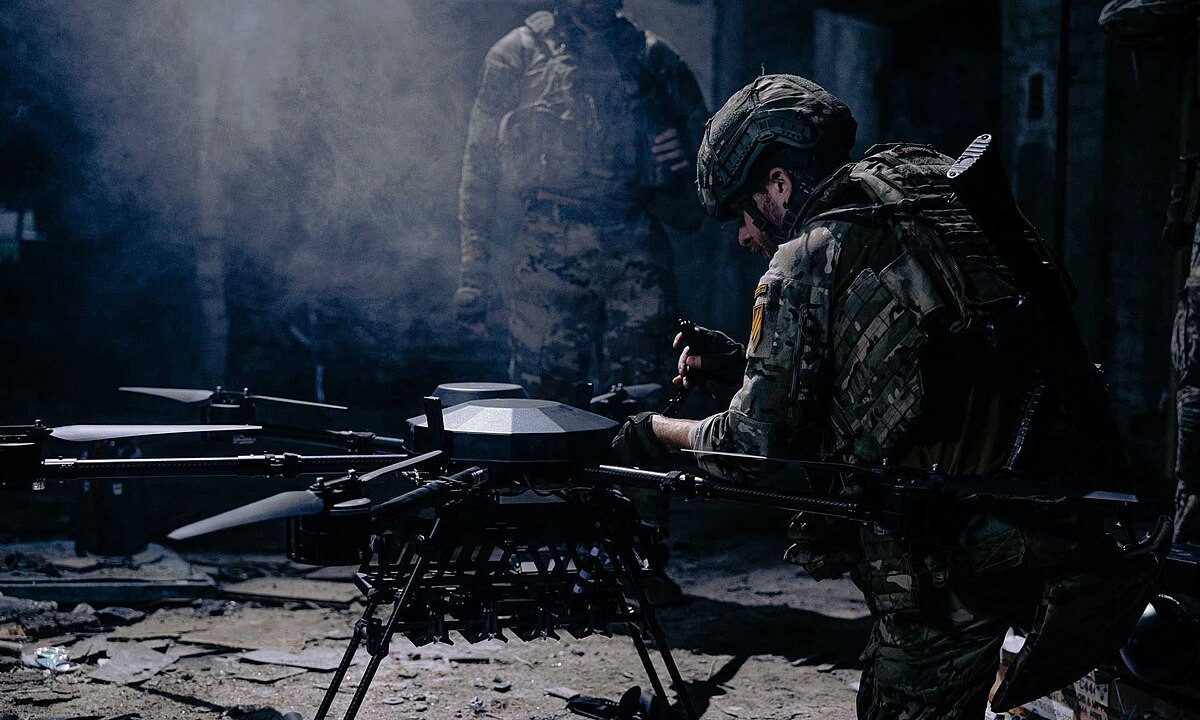
So far, Ukrainian forces have recaptured as much as two hundred square kilometers of territory from occupying Russian forces. However, what’s most important is not what the operation has accomplished, but how. On a battlefield that had long since settled into a largely static pattern of attritional warfare, Ukraine managed to create opportunities for maneuver that had largely ceased to exist. It leveraged a combined arms approach incorporated not only infantry, armor, and artillery, but drones as well. And it effectively took Russian drone capacity almost entirely out of the fight at key moments to open windows of opportunity on the ground.
On this episode of the MWI Podcast, John Amble is joined by retired Australian Army Major General Mick Ryan. He shares his insights on how Ukrainian forces have accomplished what eluded them for much of the war and examines what the operation might tell us about the war’s future trajectory.